RRSP Home Buyers’ Plan Explained: A Smart Way to Buy Your First Home

David Sahibzada • September 1, 2026

Saving for a down payment is one of the biggest challenges first-time buyers face. What many don’t realize is that the Canadian government offers a program designed to make it easier—the Home Buyers’ Plan (HBP). This program allows you to withdraw money from your RRSP to help purchase your first home, without immediate tax consequences.


Here’s how it works:


Who Qualifies?

To be eligible, you generally need to be a first-time home buyer. In practical terms, this means you must not have owned a home in the past four years, nor lived in a property owned by your spouse or partner during that time.

There are also special allowances if you’re living with a disability or helping a relative with a disability. In these cases, you can use the HBP even if you’ve owned a home more recently.


How Much Can You Withdraw?

Under the program, you can access up to $35,000 from your RRSP as an individual. Couples can combine their withdrawals for a total of $70,000. These funds must have been in your RRSP for at least 90 days before you take them out.


Paying It Back

The HBP isn’t “free money”—it’s an interest-free loan from your own retirement savings. You’ll have 15 years to repay the full amount back into your RRSP, starting in the second year after withdrawal.


Each year, the CRA will send you an HBP Statement of Account outlining how much needs to be repaid. If you don’t make your repayment in a given year, that amount will be added to your taxable income.


Why It’s a Smart Strategy

The HBP can give first-time buyers a powerful boost toward homeownership. It helps you put together a larger down payment, which can reduce your mortgage amount and monthly payments. Just remember: it’s important to balance the short-term benefit of homeownership with the long-term impact on your retirement savings.


Next Steps

Thinking about using the Home Buyers’ Plan? Let’s sit down and review whether it’s the right move for you. Together, we can create a strategy that gets you into your first home while keeping your future financial goals on track.


📞 Reach out anytime—it would be a pleasure to guide you through the process.
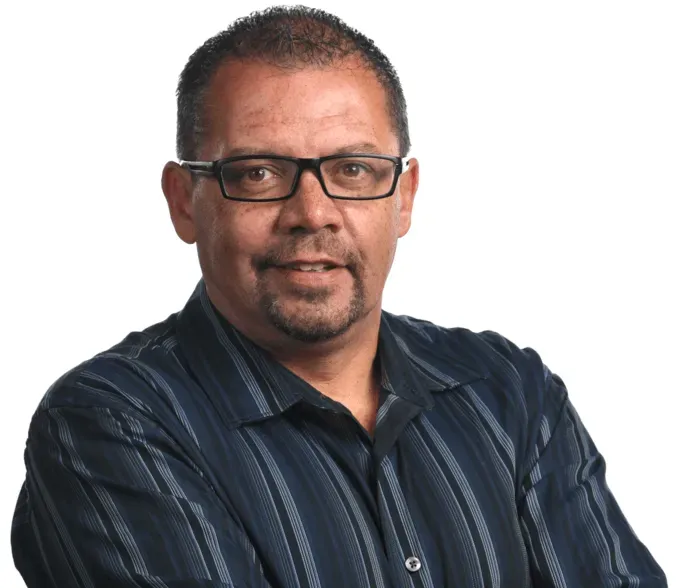

David Sahibzada

Senior Mortgage Advisor

LET'S TALK
By David Sahibzada • October 13, 2026
Buying a Home? Follow These 6 Key Steps for a Smooth Experience Buying a home is likely one of the biggest financial decisions you’ll ever make. It’s exciting—but it can also be overwhelming, especially when it comes to understanding how mortgage financing works. To help make the process smoother (and far less stressful), here are six essential steps every homebuyer should follow: 1. Start With a Mortgage Professional—Not MLS It’s tempting to start your home search by scrolling through listings and booking showings—but the real first step should be speaking with an independent mortgage professional . Unlike a bank that offers only one set of products, an independent mortgage expert has access to multiple lenders and options . That means better advice, better rates, and a better chance of finding a mortgage that truly fits your needs. 2. Build a Personalized Mortgage Plan Unless you’re buying your home with cash, you’ll need a solid financing strategy. That means: Reviewing your credit score Running affordability calculations Exploring different mortgage types, terms, and features Understanding down payments and closing costs The sooner you start planning, the more confident you’ll feel. Don’t wait until you’ve found the “perfect” property— get ahead of the process now . 3. Figure Out What You Can Actually Afford What a lender says you can borrow doesn’t always match what you can comfortably pay each month. Take a close look at your budget, lifestyle, and spending habits. Think about how your mortgage payments, property taxes, utilities, and other costs will fit into your everyday cash flow. Avoid the stress of being house-poor by knowing your real-life affordability , not just your paper pre-approval. 4. Get Pre-Approved the Right Way A true mortgage pre-approval isn’t just entering numbers into an online calculator. It means: Completing a mortgage application Submitting all your required documentation Having a mortgage professional fully assess your file When you’re officially pre-approved, you’ll shop for homes with confidence , knowing what you qualify for and that you’re financially ready. 5. Submit Your Documents Promptly and Stay Flexible Once you find a property and your offer is accepted, time is of the essence. That’s when all the upfront work you’ve done really pays off. Be ready to: Provide additional documentation if requested Respond to your mortgage professional quickly Stay flexible and proactive throughout the approval process Your lender needs to verify everything before finalizing the loan, so staying organized is key. 6. Don’t Make Big Financial Changes Before Closing Once you’ve secured financing and waived your conditions, freeze your finances until after you get the keys. Seriously—don’t: Change jobs Apply for new credit Take out a loan Make a large withdrawal Even small changes can throw off your approval. Keep everything status quo until you officially take possession. Recap: 6 Steps to a Smooth Home Purchase Connect with an independent mortgage professional Create a mortgage plan early Know what you can afford (not just what you qualify for) Get fully pre-approved Stay on top of documentation Avoid major financial changes before possession Ready to Buy with Confidence? If you’re thinking about buying a home—or just want to know what’s possible—let’s talk. I’ll help you map out a personalized plan that makes your homebuying journey feel simple, strategic, and stress-free. Reach out anytime. I’d love to help you get started.
By David Sahibzada • September 29, 2026
Cashback Mortgages: Are They Worth It? Here’s What You Need to Know If you’ve been exploring mortgage options and come across the term cashback mortgage , you might be wondering what exactly it means—and whether it’s a smart move. Let’s break it down in simple terms. What Is a Cashback Mortgage? A cashback mortgage is just like a regular mortgage—but with one extra feature: you receive a lump sum of cash when the mortgage closes . This cash is typically: A fixed amount , or A percentage of the total mortgage , usually between 1% and 7% , depending on your mortgage term and lender. The money is tax-free and paid directly to you on closing day. What Can You Use the Cashback For? There are no restrictions on how you use the funds. Here are some common uses: Covering closing costs Buying new furniture Renovations or home upgrades Paying off high-interest debt Boosting your cashflow during a tight transition Whether it’s to help you settle in or catch up financially, cashback can offer a helpful buffer— but it comes at a cost . The True Cost of a Cashback Mortgage Here’s the part many people overlook: cashback mortgages come with higher interest rates than standard mortgages. Why? Because the lender is essentially advancing you a small loan upfront—and they’re going to make that money back (and then some) through your mortgage payments. So while the upfront cash feels like a bonus, you’ll pay more in interest over time to have that convenience. Breaking Down the Numbers It’s hard to give a blanket answer about how much more you’ll pay since it depends on: Your interest rate The cashback amount The mortgage term Your payment schedule This is why it’s important to run the numbers with a mortgage professional who can help you compare this option with others based on your personal financial situation. Are You Eligible for a Cashback Mortgage? Not everyone qualifies. Cashback mortgages generally come with stricter requirements . Lenders often want to see: Excellent credit history Strong, stable income Low debt-to-income ratio If your mortgage file includes anything “outside the box”—like being self-employed or recently changing jobs—qualifying for a cashback mortgage might be tough. What If You Need to Break the Mortgage? This is one of the biggest risks with cashback mortgages. If your circumstances change and you need to break your mortgage early, you could be on the hook for: Paying back some or all of the cashback you received, and A prepayment penalty (typically the interest rate differential or 3 months’ interest—whichever is higher) That can be a very expensive combination. So if there’s even a chance you might need to sell, refinance, or move before your term is up, a cashback mortgage might not be the best fit. Should You Consider a Cashback Mortgage? Maybe—but only with eyes wide open. Cashback mortgages can be helpful in the right scenario, but they’re not free money. They’re a lending tool that benefits the lender , and the key is knowing exactly what you’re agreeing to. Final Thoughts: Talk to an Expert First Choosing the right mortgage isn’t just about the lowest rate or the biggest perk—it’s about making a choice that fits your whole financial picture. If you’re considering a cashback mortgage, or just want to explore all your options, let’s talk. As an independent mortgage professional , I can help you weigh the pros and cons of various products, so you can make a confident, informed decision. Have questions? I’d be happy to help—reach out anytime.