Benefits of Working with an Independent Mortgage Professional

David Sahibzada • October 3, 2023


If you need a mortgage, working with an independent mortgage professional will save you money and provide you with better options than dealing with a single financial institution. And if that is the only sentence you read in this entire article, you already know all you need to know.


However, if you’d like to dig a little deeper, here are some reasons that outline why working with an independent mortgage professional is in your best interest.


The best mortgage is the one that costs you the least over the long term. An independent mortgage professional can help you achieve this.


Mortgages aren’t created equally. Oftentimes slick marketing leads us to believe the lowest “sticker price” is the best value. So when it comes to mortgage financing, you might assume the mortgage with the lowest rate is the best option. This isn’t always the case.


When considering a mortgage, your goal should be to find the mortgage that will cost you the least amount of money over the total length of the mortgage. There are many factors to consider, such as your specific financial situation, the rate, initial term length, fixed or variable rate structure, amortization, and the penalties incurred should you need to break your mortgage early; the fine print matters.


An independent mortgage professional can walk through all these factors with you and will help you find the mortgage that best suits your needs. Sometimes taking a mortgage with a slightly higher rate can make sense if it gives you flexibility down the line or helps you avoid huge payout penalties.


Working the numbers with an independent mortgage professional will save you money in the long run instead of just going with what a single lender is offering.


Save time by letting an independent mortgage professional find the best mortgage product for you.


Let's face it, getting a mortgage can be challenging enough on its own. Everyone’s financial situation is a little different and making sense of lender guidelines is a full-time job in itself.


So instead of dealing with multiple lending institutions on your own, when you work with an independent mortgage professional, you submit a single mortgage application that is compared to the lending guidelines of various mortgage lenders. This will save you time as you don’t have to go from bank to bank to ensure you’re getting the best mortgage.


Simply put, an independent mortgage professional works for you and has your best interest in mind, while a bank specialist works for the bank and has the bank's best interest in mind.


It’s no secret that Canadian banks make a lot of money. It seems every quarter they turn billions of dollars in profit (despite the economic environment). They do this at the expense of their customers by charging as much interest as they can and structuring mortgages to their benefit.


It’s all about the alignment of interest. Bank employees work for the bank; the bank pays them to make money for the bank. In contrast, independent mortgage professionals are provincially licensed to work for their clients and are paid a standardized placement or finder’s fee for matching borrowers with lenders. When you work with a single bank, you only have access to the products of that bank. When you work with an independent mortgage professional, you have access to all of the lenders that mortgage professionals have relationships with and all their products.


Working with an independent mortgage professional will save you money, time, and provide you with better mortgage options. Plus, you have the added benefit of working with a licensed professional looking out for your best interest, providing you with the best possible advice.


If you’d like to know more or to discuss mortgage financing, please connect anytime; it would be a pleasure to work with you.
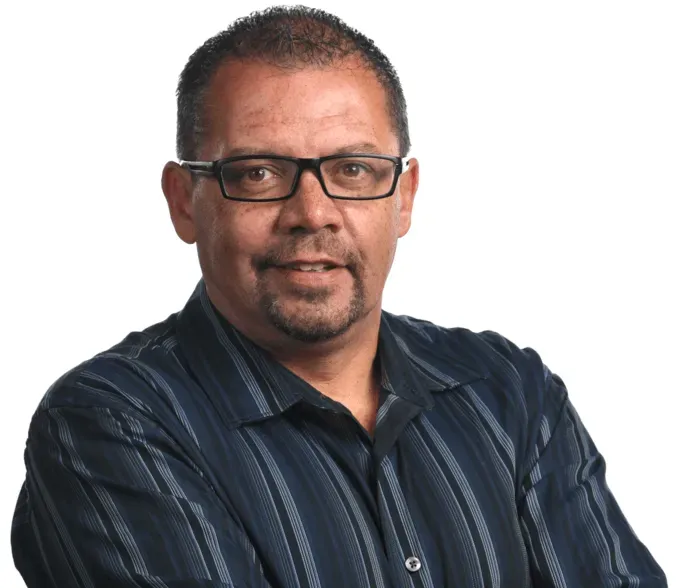


David Sahibzada

Senior Mortgage Advisor

LET'S TALK
By David Sahibzada • September 29, 2026
Cashback Mortgages: Are They Worth It? Here’s What You Need to Know If you’ve been exploring mortgage options and come across the term cashback mortgage , you might be wondering what exactly it means—and whether it’s a smart move. Let’s break it down in simple terms. What Is a Cashback Mortgage? A cashback mortgage is just like a regular mortgage—but with one extra feature: you receive a lump sum of cash when the mortgage closes . This cash is typically: A fixed amount , or A percentage of the total mortgage , usually between 1% and 7% , depending on your mortgage term and lender. The money is tax-free and paid directly to you on closing day. What Can You Use the Cashback For? There are no restrictions on how you use the funds. Here are some common uses: Covering closing costs Buying new furniture Renovations or home upgrades Paying off high-interest debt Boosting your cashflow during a tight transition Whether it’s to help you settle in or catch up financially, cashback can offer a helpful buffer— but it comes at a cost . The True Cost of a Cashback Mortgage Here’s the part many people overlook: cashback mortgages come with higher interest rates than standard mortgages. Why? Because the lender is essentially advancing you a small loan upfront—and they’re going to make that money back (and then some) through your mortgage payments. So while the upfront cash feels like a bonus, you’ll pay more in interest over time to have that convenience. Breaking Down the Numbers It’s hard to give a blanket answer about how much more you’ll pay since it depends on: Your interest rate The cashback amount The mortgage term Your payment schedule This is why it’s important to run the numbers with a mortgage professional who can help you compare this option with others based on your personal financial situation. Are You Eligible for a Cashback Mortgage? Not everyone qualifies. Cashback mortgages generally come with stricter requirements . Lenders often want to see: Excellent credit history Strong, stable income Low debt-to-income ratio If your mortgage file includes anything “outside the box”—like being self-employed or recently changing jobs—qualifying for a cashback mortgage might be tough. What If You Need to Break the Mortgage? This is one of the biggest risks with cashback mortgages. If your circumstances change and you need to break your mortgage early, you could be on the hook for: Paying back some or all of the cashback you received, and A prepayment penalty (typically the interest rate differential or 3 months’ interest—whichever is higher) That can be a very expensive combination. So if there’s even a chance you might need to sell, refinance, or move before your term is up, a cashback mortgage might not be the best fit. Should You Consider a Cashback Mortgage? Maybe—but only with eyes wide open. Cashback mortgages can be helpful in the right scenario, but they’re not free money. They’re a lending tool that benefits the lender , and the key is knowing exactly what you’re agreeing to. Final Thoughts: Talk to an Expert First Choosing the right mortgage isn’t just about the lowest rate or the biggest perk—it’s about making a choice that fits your whole financial picture. If you’re considering a cashback mortgage, or just want to explore all your options, let’s talk. As an independent mortgage professional , I can help you weigh the pros and cons of various products, so you can make a confident, informed decision. Have questions? I’d be happy to help—reach out anytime.
By David Sahibzada • September 15, 2026
So, you’re thinking about buying a home. You’ve got Pinterest boards full of kitchen inspo, you’re casually scrolling listings at midnight, and your friends are talking about interest rates like they’re the weather. But before you dive headfirst into house hunting— wait . Let’s talk about what “ready” really means when it comes to one of the biggest purchases of your life. Because being ready to own a home is about way more than just having a down payment (although that’s part of it). Here are the real signs you're ready—or not quite yet—to take the plunge into homeownership: 1. You're Financially Stable (and Not Just on Payday) Homeownership isn’t a one-time cost. Sure, there’s the down payment, but don’t forget about: Closing costs Property taxes Maintenance & repairs Insurance Monthly mortgage payments If your budget is stretched thin every month or you don’t have an emergency fund, pressing pause might be smart. Owning a home can be more expensive than renting in the short term—and those unexpected costs will show up. 2. You’ve Got a Steady Income and Job Security Lenders like to see consistency. That doesn’t mean you need to be at the same job forever—but a reliable, documented income (ideally for at least 2 years) goes a long way in qualifying for a mortgage. Thinking of switching jobs or going self-employed? That might affect your eligibility, so timing is everything. 3. You Know Your Credit Score—and You’ve Worked On It Your credit score tells lenders how risky (or trustworthy) you are. A higher score opens more doors (literally), while a lower score may mean higher rates—or a declined application. Pro tip: Pull your credit report before applying. Fix errors, pay down balances, and avoid taking on new debt if you’re planning to buy soon. 4. You’re Ready to Stay Put (At Least for a Bit) Buying a home isn’t just a financial decision—it’s a lifestyle one. If you’re still figuring out your long-term plans, buying might not make sense just yet. Generally, staying in your home for at least 3–5 years helps balance the upfront costs and gives your investment time to grow. If you’re more of a “see where life takes me” person right now, that’s totally fine—renting can offer the flexibility you need. 5. You’re Not Just Buying Because Everyone Else Is This one’s big. You’re not behind. You’re not failing. And buying a home just because it seems like the “adult” thing to do is a fast way to end up with buyer’s remorse. Are you buying because it fits your goals? Because you’re ready to settle, invest in your future, and take care of a space that’s all yours? If the answer is yes—you’re in the right headspace. So… Are You Ready? If you’re nodding along to most of these, amazing! You might be more ready than you think. If you’re realizing there are a few things to get in order, that’s okay too. It’s way better to prepare well than to rush into something you're not ready for. Wherever you’re at, I’d love to help you take the next step—whether that’s getting pre-approved, making a plan, or just asking questions without pressure. Let’s make sure your homebuying journey starts strong. Connect anytime—I’m here when you’re ready.